Adava University instructors are MIT, Stanford, Harvard, Oxford, Cambridge students, researchers, and alumni

Admitted students pursue original research, advanced technical work, and formal capstone projects under rigorous academic guidance.

Application Review

Admission is extremely selective. Adava University reviews only top-achieving applicants prepared for advanced academic work. Submit your email to begin the application process.

Academic Selection Standards

Adava programs are built around advanced academic performance: close reading, analytical writing, disciplined research, quantitative reasoning, and evidence-based defense of ideas.

  • Students engage demanding academic questions with independence and intellectual ambition.
  • Students develop evidence-based arguments through research, revision, and critique.
  • Students produce work that reflects clarity, depth, judgment, and academic seriousness.

Student Research Articles and Presentations

Students explain their academic work through articles, videos, and project presentations.

Thumbnail for Kyle's student project story

Kyle

The Northwest School, Seattle

The program helped me develop AI concepts through structured, research-driven project work. (... continue reading)
Thumbnail for Hannah's student project story

Hannah

Clayton High School

The program helped me prepare for university-level study through sustained work on difficult topics. (... continue reading)
Thumbnail for Reagan's student project story

Reagan

King's College, Auckland

My favourite part was learning about generative adversarial networks because the architecture is so clever. (... continue reading)

Required Academic Work

Every admitted student completes original research, technical development, and formal presentation work.

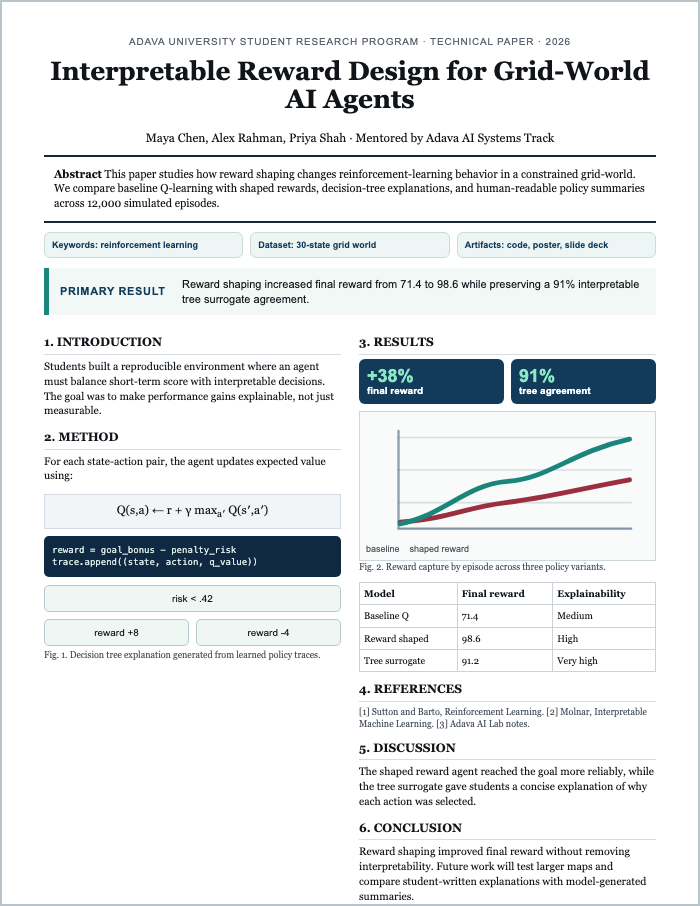
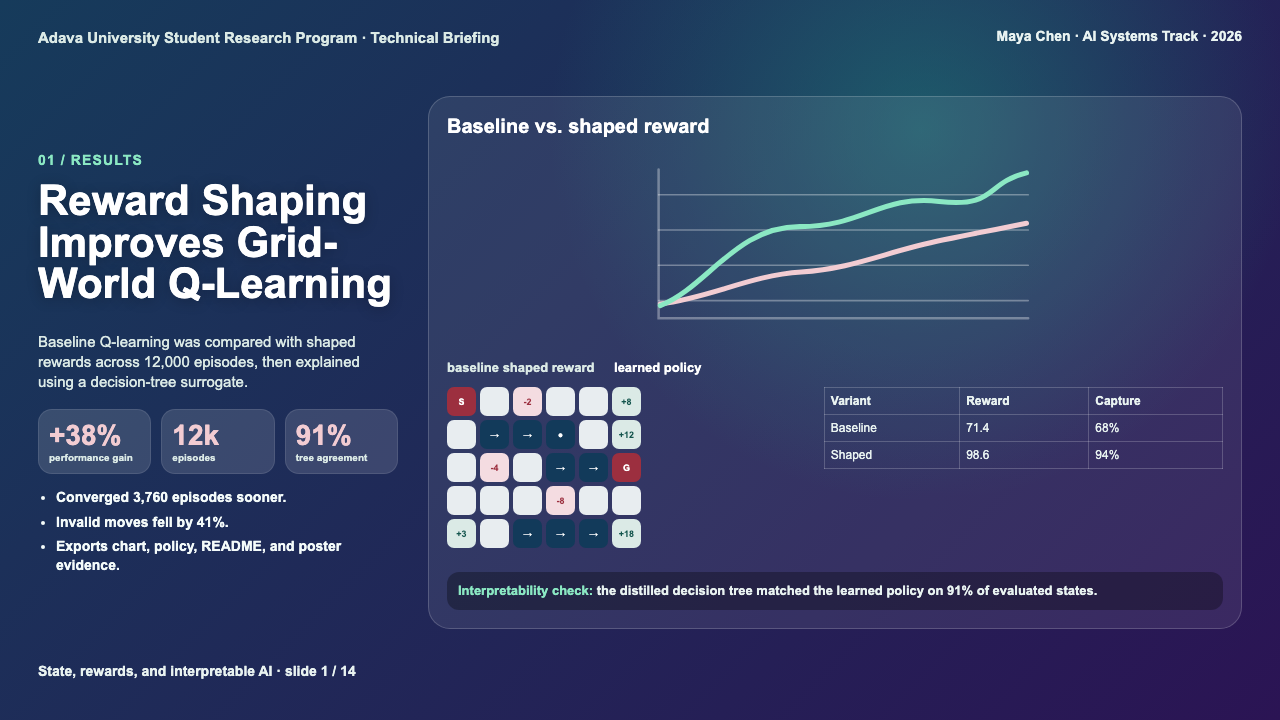
  • Academic research paper
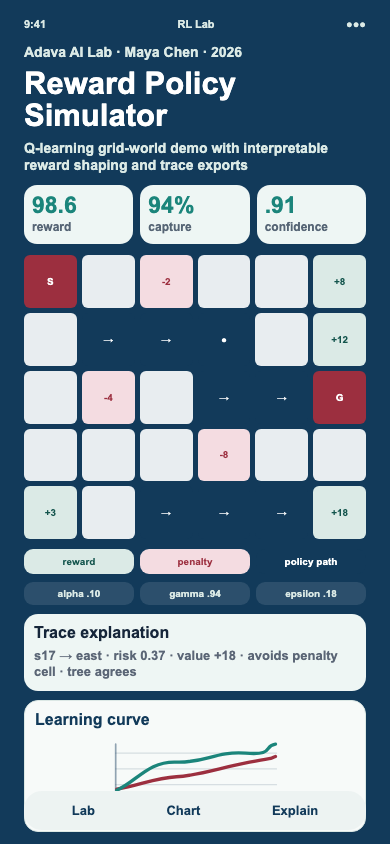
  • Academic research poster
  • Substantive technical project
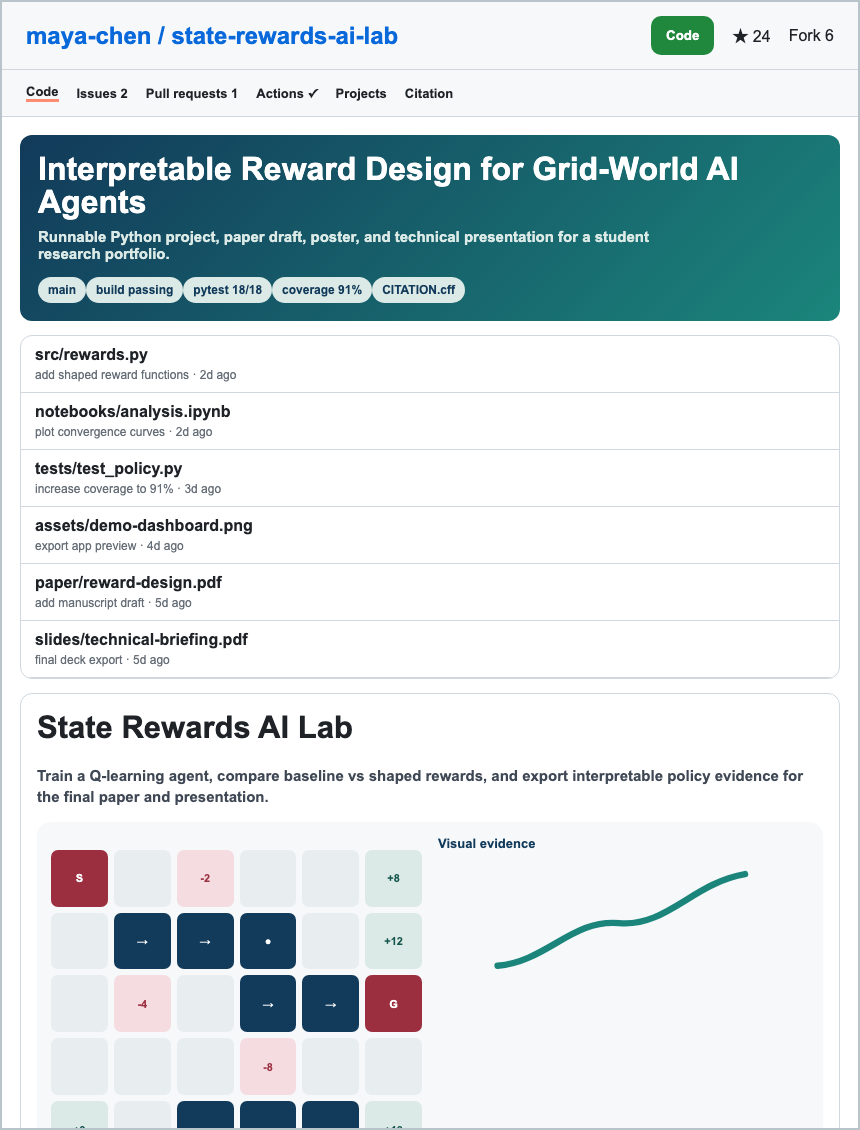
  • Portfolio website
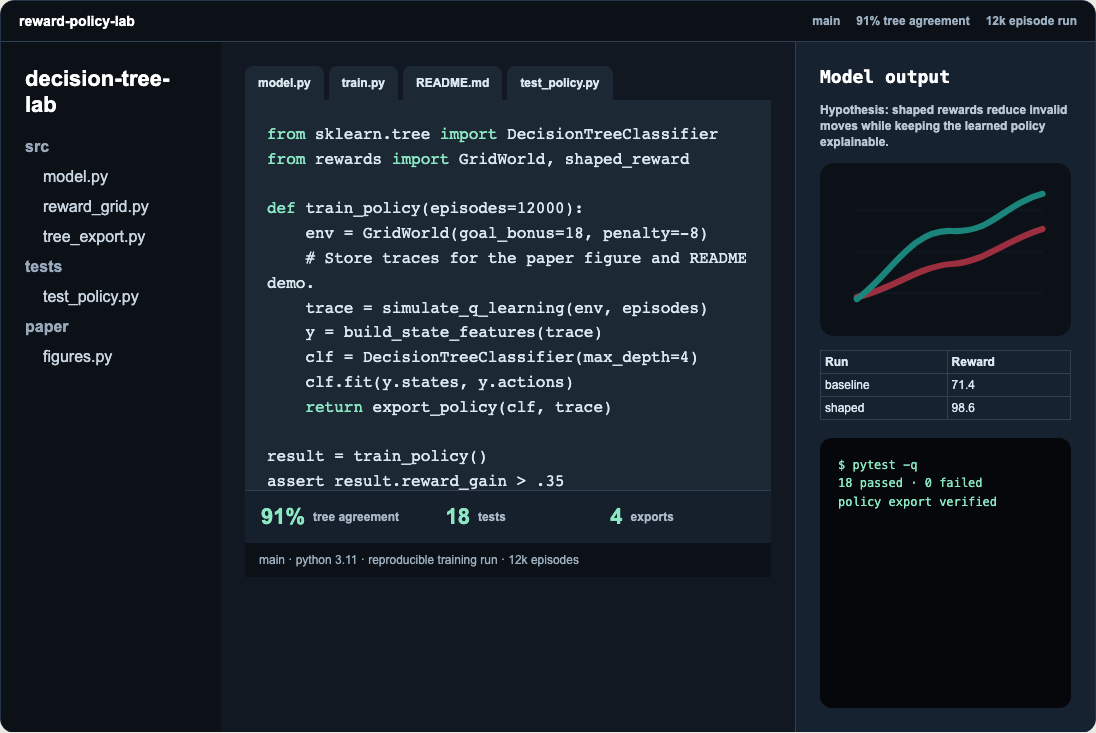
  • GitHub repository
  • Technical blog article
  • Recorded presentation

Completion requires depth, initiative, academic maturity, and sustained effort.

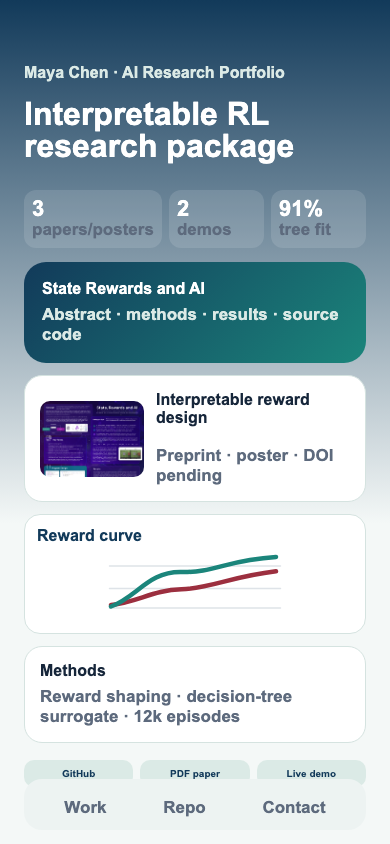
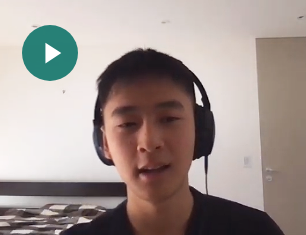
Student Work

Completed work demonstrates original research, technical execution, and academic presentation.
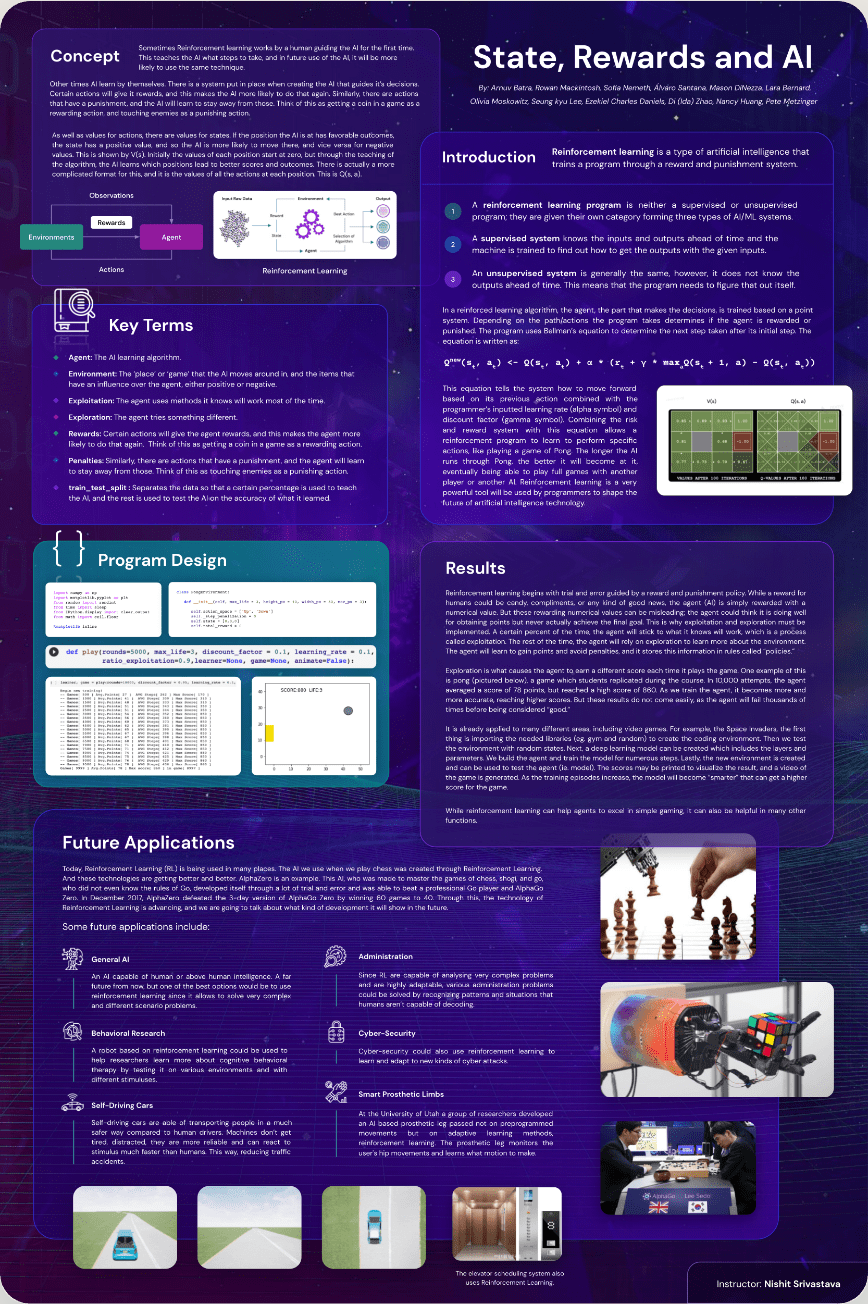
Portfolio outputs

Scholarly Review

  • Command of evidence
    Students explain sources, methods, reasoning, and tradeoffs.
  • Independent judgment
    Final work shows original thinking and academic depth.
  • Polished communication
    Students present complex ideas with clarity and precision.

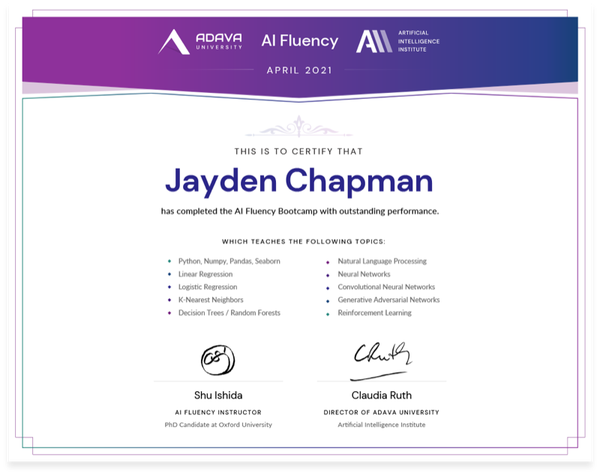
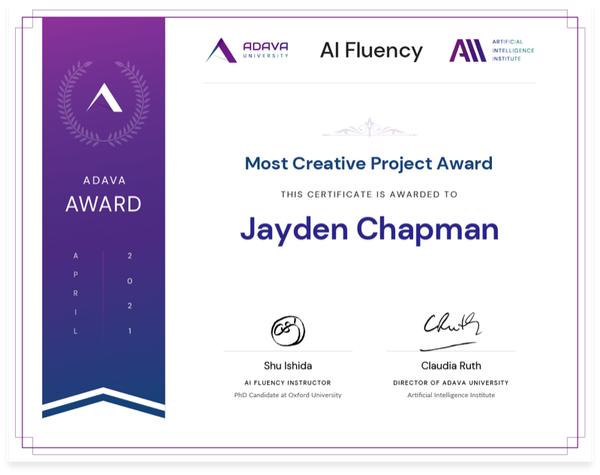
Certificate and Awards

Students receive formal recognition for completed academic work and distinguished project performance.
Preparation for Advanced Academic Work

Students move beyond introductory exposure.

They build, research, write, revise, and defend original work.

Students complete the program with:

  • Advanced technical fluency
  • Original academic research
  • A polished academic portfolio
  • Capstone-level project experience
  • Academic mentorship from instructors at world-class universities

Advanced Areas of Study

Students pursue focused academic and technical concentrations.

Areas include:

  • Artificial Intelligence
  • Machine Learning
  • Data Science
  • Software Engineering
  • Robotics
  • Game Development
  • Digital Design
  • Entrepreneurship
  • Scientific Research

Each concentration culminates in inquiry-driven work, revision, and a substantive final deliverable.

Meet the Instructors

Students work with instructors who have studied, researched, or built technical projects in demanding academic environments.
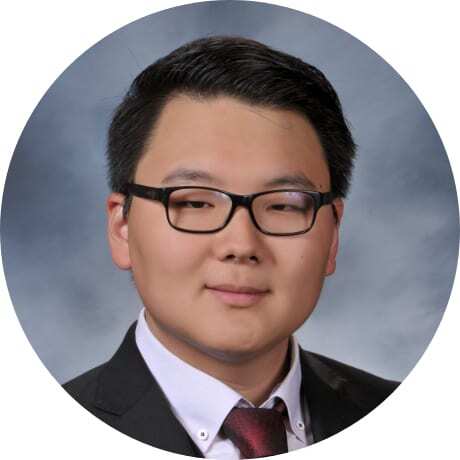
Portrait of Jorge Nam Song
Jorge Nam SongStanford - Management Science & Engineering

Finance and data science background, with applied machine learning work on policy recommendations and transparency projects.
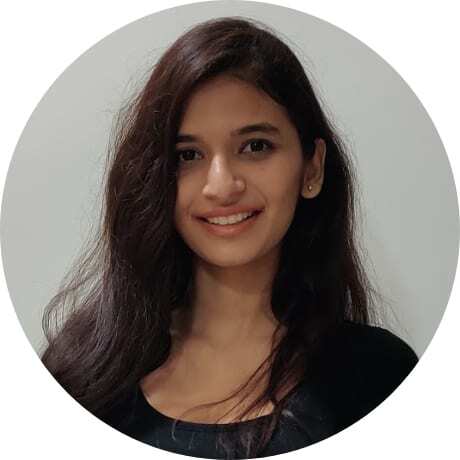
Portrait of Aarshavi Shah
Aarshavi ShahMIT - Computer Science

Computer Science and AI researcher and developer with experience in MIT research labs including Media Lab, CSAIL, and Space Systems Lab.
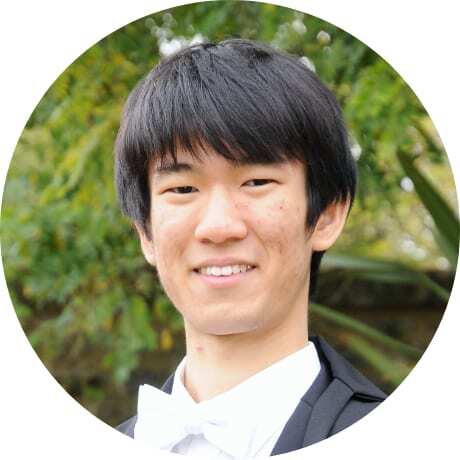
Portrait of Shu Ishida
Shu IshidaOxford - Computer Vision & Robotics

Oxford engineering background with computer vision and robotics research experience, plus student technology leadership.

Portrait of Nishit Srivastava
Nishit SrivastavaCambridge - Bioengineering / Mechanobiology

Interdisciplinary scientist working across engineering, physics, and biology, with fellowship-backed PhD and research experience.

Portrait of Abhishek Garg
Abhishek GargStanford - Computer Science

Stanford CS background, former Facebook and Apple engineer, and full-stack engineer at an early stage startup.
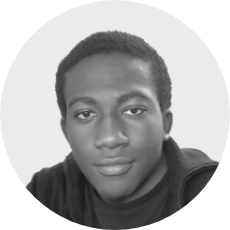
Portrait of Wilfried Bounsi
Wilfried BounsiOxford - CS & Applied Mathematics

Built Knowledge Graph pipelines, improved document classification with Graph Neural Networks, and co-founded startups as CTO.
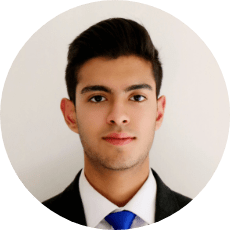
Portrait of Varun Jain
Varun JainCambridge - Engineering

Engineering background with advanced mathematics and physics preparation, including Cambridge academic program experience.
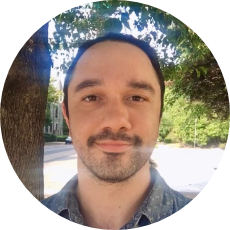
Portrait of Chase Middleman
Chase MiddlemanMIT - Mathematics

Mathematics background with graduate work in simplicial homotopy theory and a later pivot into data science.

Academic Program Format

One ongoing weekly program with sustained academic expectations and regular review.

Who can participate

  • Eligible grades
    High-achieving high school students in grades 9-12
  • Admissions review
    Students are reviewed for academic readiness and commitment
  • Minimum commitment
    Students must attend live sessions and complete required academic work

Ongoing Weekly Program

  • Weekly cadence
    One live mentor session per week
  • Time commitment
    One 2-hour live class each week
  • Program length
    Ongoing study; each completed 10-week module receives formal recognition before students continue into the next module
  • Live support
    Online sessions with instructor guidance
  • Regular deliverables
    Students produce research, technical, and presentation work throughout the program
  • Coursework library
    Nine months of coursework are available now, with new academic material added regularly

Application Review

Submit your email to receive admissions criteria, required materials, and review steps for top-achieving applicants.

Application review includes:

  • Admissions criteria
  • Academic readiness review
  • Required application components
  • Academic expectations
  • Research and capstone work
  • Instructor backgrounds

We'll send the criteria, required materials, and next steps for application review.